
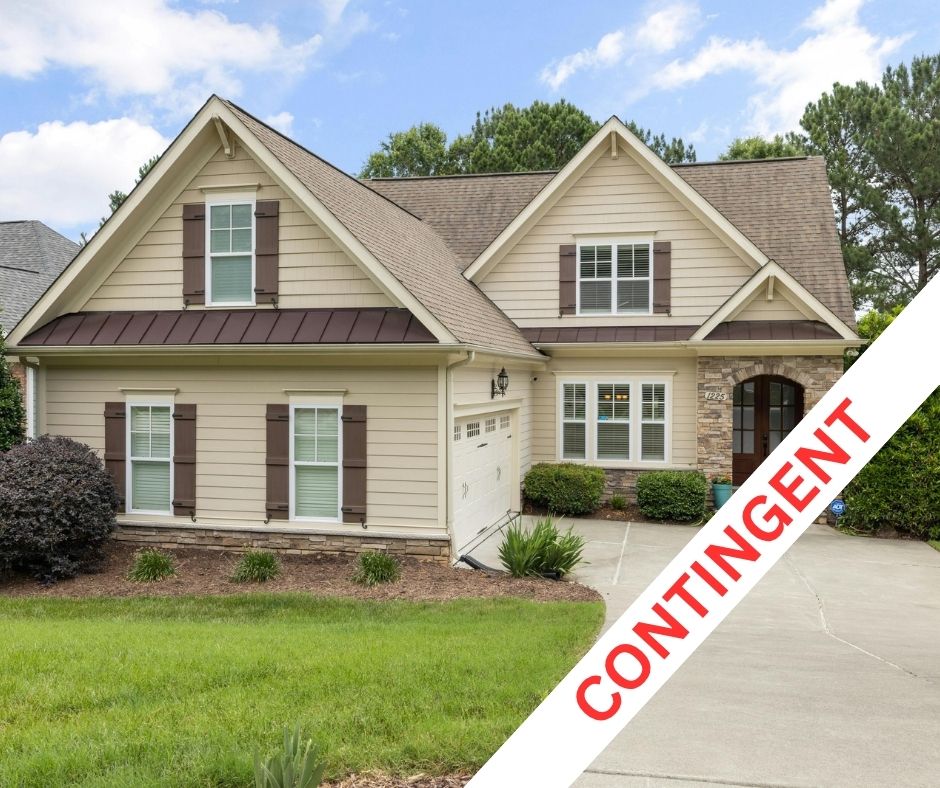
That is the question. If you’re interested in purchasing a home in South Carolina, it’s a good idea to learn how to gain an advantage as a buyer. This is especially true if yours is not the only bid on the table. Whether or not to buy a house by making a contingent offer depends on several factors.
From a buyer’s perspective, there’s typically an expectation for a home to be “move-in ready” after closing. A seller, on the other hand, is trying to gain the highest offer possible with the least number of complications and delays. Sometimes, issues arise that cause conflict between what the seller and buyer are each trying to achieve, and that’s where a contingent offer might come in.
A contingent offer protects a buyer’s interests
A contingent offer is a means to protect the interests of the buyer. It basically provides a legally acceptable path to walk away from a purchase contract if certain conditions are not met. For example, a buyer might make an offer on a home contingent upon the outcome of a home inspection, meaning that if the inspector determines that the house has failed inspection due to needed repairs, the buyer can either walk away from the deal or renegotiate the terms of the contract, such as requesting a lower price on the home.
A buyer might state that the seller must agree to make repairs before closing on the home. If a seller has decided ahead of time that this would not be an option, it would make sense not to accept a contingent offer on the home. Buyers can work alongside experienced real estate agents for recommendations and assistance in writing out the details of contingencies.
When more than one offer is on the table
It is logical to assume that, if there are multiple offers on a home, the seller is likely to accept the best deal. This doesn’t necessarily mean the buyer who makes the highest offer will win the bid war. Oftentimes, a seller will accept a lower bid rather than a contingent offer. It all depends on the specific stipulations of a contingency and what is at stake for the seller both financially and regarding time. If a contingency causes a significant delay to closing, a seller might opt to accept the offer that is non-contingent, instead.
If you want to ensure that you can reclaim your earnest deposit without penalty if certain conditions are not met, then a contingent offer is the way to go. If you’re trying to establish serious intent and financial readiness in a bid war, then making a non-contingent offer might be best.